Bari as a southern city shaped by the sea
Bari as a first encounter with the south
Bari rarely tries to impress at first sight. The city opens itself gradually, through rhythm rather than spectacle. Travelers interested in bari south italy often expect a simple coastal stop, yet discover a place shaped by everyday continuity. Life here unfolds between the sea and stone streets, where routine matters more than drama. The atmosphere is calm but never static, and this balance becomes the first key to understanding Bari.
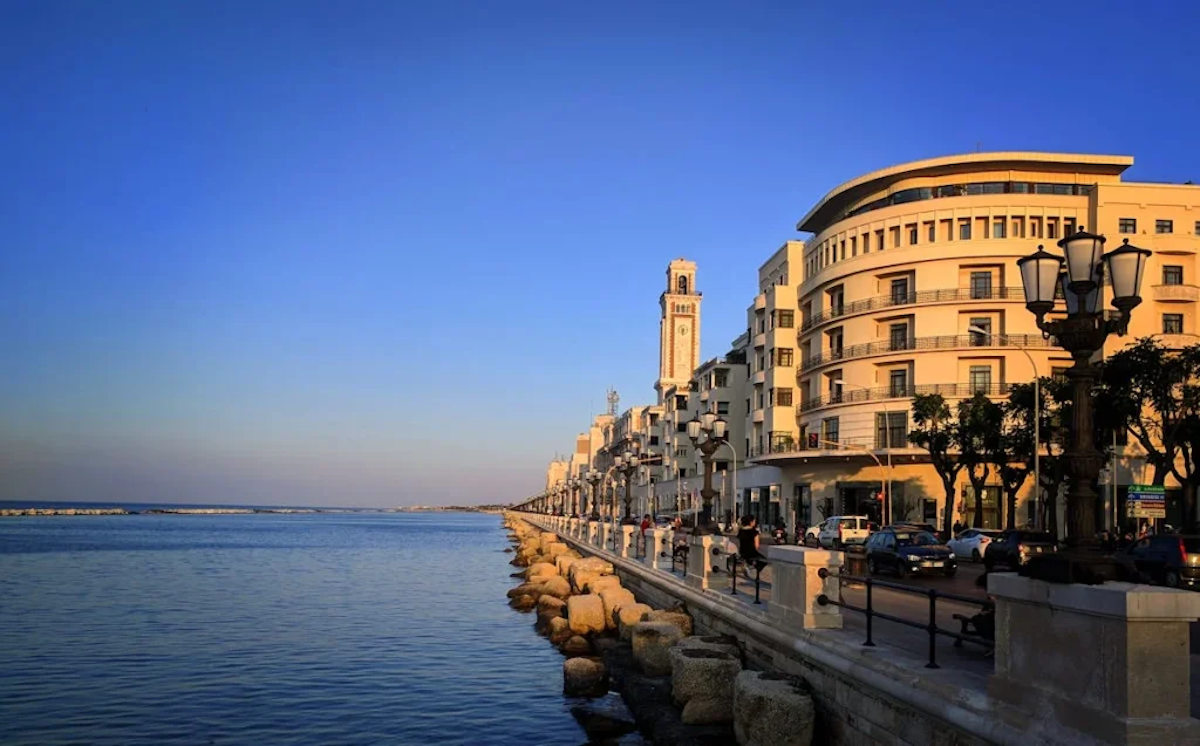
The Adriatic presence defines the city’s pace, not as a postcard image, but as a daily companion. From early mornings near the port to slow evenings along the promenade, Bari establishes a relationship with visitors that feels natural and unforced.
The port and the rhythm of daily life
The waterfront plays a central role in how Bari functions. Lungomare stretches alongside the Adriatic, offering space not only for walking, but for observing how the city breathes. Joggers, families, fishermen and passersby share the same space without interruption. This everyday choreography is one of the strongest expressions of bari tourism italy, grounded in lived experience rather than staged attractions.
Beyond the shoreline, neighborhoods continue the same rhythm. Small shops open early, balconies remain part of social life, and conversations move easily between streets. Bari does not separate public and private life sharply, which gives the city a sense of continuity throughout the day.
Bari Vecchia and lived history
Bari Vecchia is often listed among bari italy tourist attractions, yet its real value lies in its authenticity. This is not a preserved district frozen in time, but a living quarter where history and routine coexist. Narrow streets lead directly into homes, voices echo through stone passages, and daily gestures repeat with quiet consistency.
Landmarks such as the Basilica of San Nicola and the Swabian Castle anchor the district historically, but they do not dominate it. Instead, they blend into the surrounding life, reinforcing the idea that history in Bari is something experienced rather than displayed.
The Adriatic coastline as a constant presence
The sea remains a constant reference point across the city. Walking along the coast reveals subtle changes throughout the day: sharper light in the morning, softened tones in the evening, and a steady sound of waves that frames daily activity. These shifts contribute to the identity of bari puglia italy as a place shaped by natural cycles.
Nearby beaches such as Pane e Pomodoro and Torre Quetta offer different coastal moods without leaving the city’s orbit. The coastline does not interrupt urban life but extends it, reinforcing the bond between land and water.
Food traditions and local markets
Cuisine in Bari reflects its surroundings with clarity and restraint. Local dishes are built on simplicity, seasonal ingredients and inherited knowledge. Orecchiette, seafood from the Adriatic and olive oil from inland groves define everyday meals rather than special occasions.
Markets play an essential role in this system. They reveal how bari tourism italy connects directly to agricultural and maritime rhythms. Fresh produce, fish and conversation come together in spaces where tradition continues without adaptation for visitors.
Bari as a gateway and lasting memory
As a regional hub, Bari connects travelers to the wider landscape of bari puglia italy. Rail and road routes lead toward coastal towns and inland villages, but the city itself often remains the reference point. Many visitors return to Bari not for a checklist of sights, but for its atmosphere and coherence.
Those exploring bari italy tourist attractions frequently leave with something less tangible - an impression of balance, continuity and understated warmth. Bari does not demand attention, yet it remains present long after departure.
The full version of this article can be read on the main website Love Italy Club