Italy of Old Homes: Sunlit Tones, Time-Worn Facades, and the Quiet of Narrow Streets
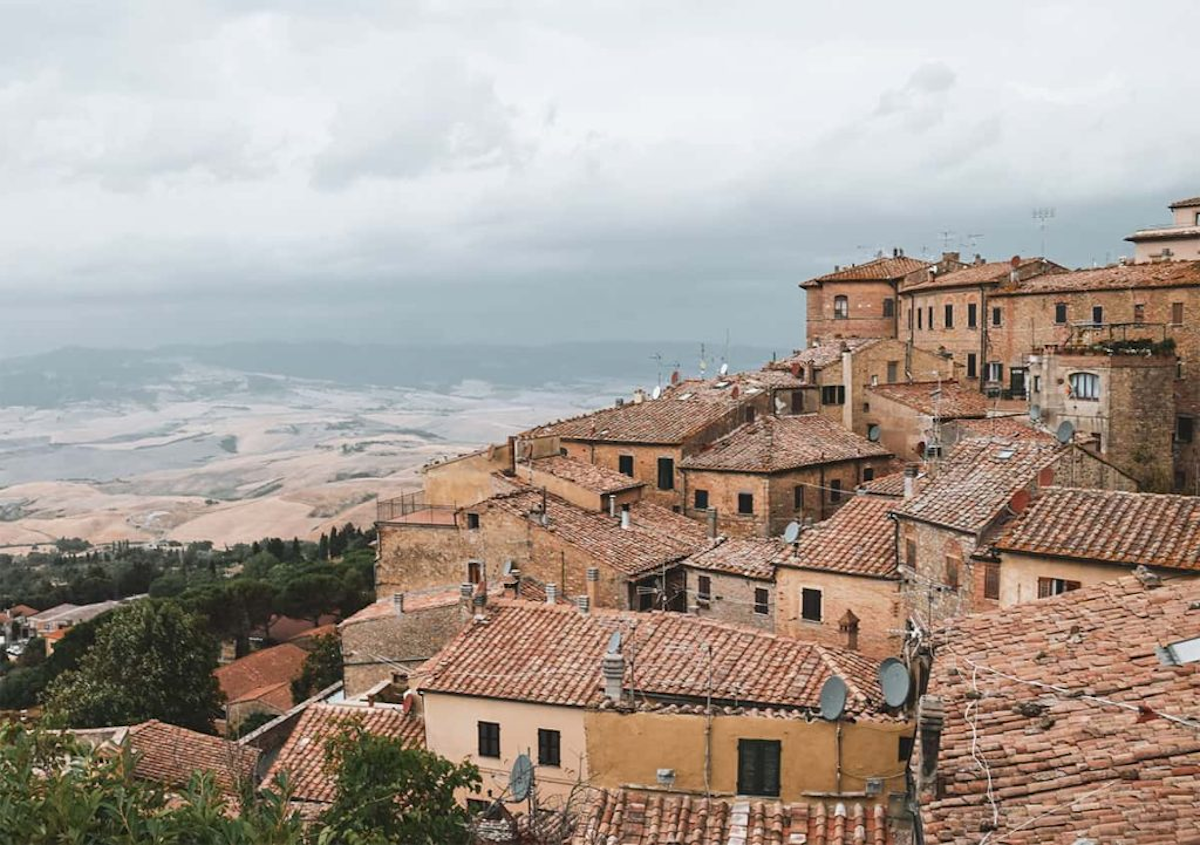
Facades That Grow More Beautiful With Age
Old Italian architecture doesn’t hide its age – it displays it proudly.
Standing in the shadow of a house, you’ll notice photos of old Italian facades: weathered plaster, uneven textures, remnants of ancient details beneath fading layers, and bricks shaped by decades of sun and rain.
Each building feels alive, carrying its own story.
Shades That Give Italian Cities Their Character
Italy looks warm because its towns are colored in soft natural tones.
When you observe the colors of old Italian building facades, you see gentle ochre, warm terracotta, muted browns, and sandy hues shifting with the light.
These shades weren’t painted – they formed through years of climate, sunlight, and weather shaping the walls.
Streets Where Time Slows Down
Italian cities reveal their essence in narrow passages connecting old houses.
Walking through Italian streets with historic houses, you sense how stone paving softens footsteps, arches guide the light, and close-set walls create an intimate atmosphere.
These streets encourage a slower pace, letting you hear the city’s quiet story.
Quarters Preserving the Old City’s Structure
The truest Italy lives in neighborhoods shaped naturally across centuries.
The ancient Italian quarters for walking show houses standing just as they did long ago: stairways climbing slopes, windows overlooking tiny courtyards, rooftops nearly touching.
Here the unusual architecture of small Italian towns becomes clear – free from symmetry, shaped by real daily life.
The full original post is available on the Love Italy Club website.